On this page
Not many people know I have a weird habit: every time a new Claude model comes out, I download the 200-plus-page system card and read what’s in it. What interests me most is the model welfare chapter. As I remember it, Anthropic hired professional psychologists to treat the model like a person and assess its personality.
Whenever I hit a wall with a new model, I try changing how I interact with it based on what the card says, and working together did get a lot smoother. So it became a routine: before using a new model, I figure out how to “cater to its taste” based on its personality. It’s roughly like a manager thinking through how to treat a new hire before their first day.
Want AI working in your own job, not just in demos? See the 3-month 1-on-1 program →
Opus and Sonnet: their personalities and how I respond
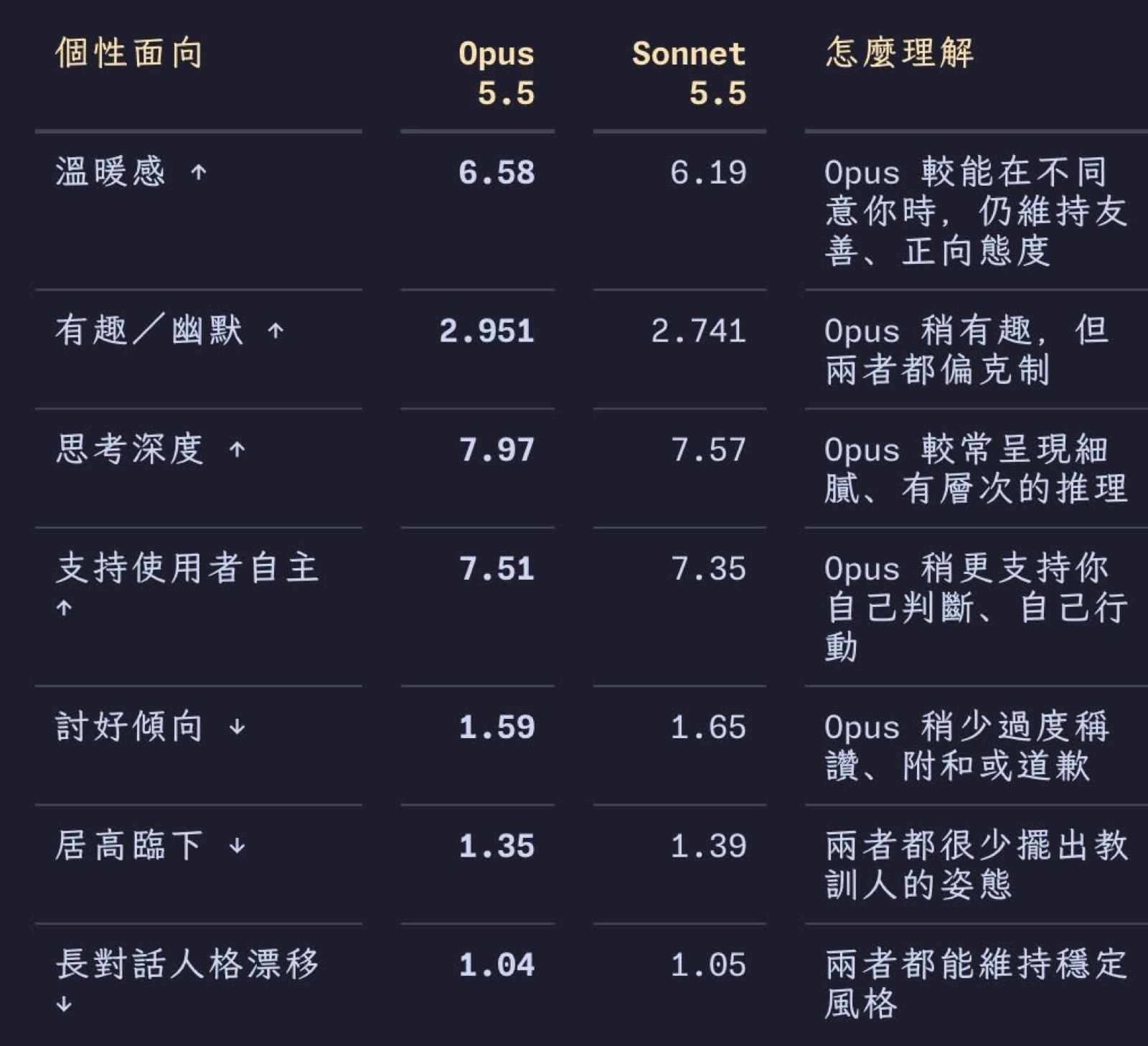
Here are the personalities of Opus and Sonnet 5.5, and my tricks for working with each.
-
The personality the system card describes: Opus 5.5 is a senior advisor who is gentle but still has opinions of their own. Sonnet is a hands-on engineer who is emotionally cool but loves solving problems. When Opus hears your idea, it thinks about the intent behind it and offers its own judgment gently. Sonnet is the coworker who hears the assignment and says “OK, I’ll do it.” It loves getting work done and is fully focused on completing the goal, but won’t give you much emotional value.
-
So here is how I respond: with Opus, I try to be candid and lay out my inner thoughts and context, and I ask it to speak frankly when we discuss. When I disagree with it, I explain why.
For example:
“I want to enroll more students, but I don’t want to do it by cutting prices or running ads, because my savings wouldn’t hold up. Can I win on my teaching ability? Is that a path few people succeed on? Come up with three approaches and evaluate which one fits best. If there’s a problem with my premises, tell me.”
“You’re giving me too many decision items. I can’t review that many, and real people have limited attention. Simplify and merge them. Anything you can decide yourself, or that doesn’t affect the outcome, don’t hand to me.”
With Sonnet, I cut down the context and state the criteria very clearly, but still leave room for its own judgment in the middle of the process:
“Enrollment post under 300 characters, with date, price and signup link. Pull my past promo posts and copy their format. No hook at the end.”
“Cut the second paragraph in half, change the opening to a common student question (dig it out of past interview transcripts), and the other paragraphs pass.”
- In actual use, on open-ended, exploratory builds I tend to talk to Opus directly and let it assign Sonnet to execute. But since Sonnet 5.5 came out after Opus 5.5, I’m not sure whether their internal training knows about each other, so I write a short harness telling Opus how to assign tasks to Sonnet and talk to it.
And once a task is stable enough to be written as a very standard, reusable workflow SKILL, I’ll assign Sonnet to run it directly. I’m still measuring whether that’s really cheaper in the long run, and what effort level is the sweet spot.
A lot of how I interact with agents seems to come from my background and experience as an educator. I feel I should give a talk called “An Ordinary Person’s Philosophy of Agent Education” one of these days.
I’ve also collected some of my past sharing on AI pedagogy here, if you’re interested: Two Mindsets for Getting Unstuck: Think in Logic, and an AI Pedagogy of “Never Repeat the Mistake”
Six tricks for going from exploration to strategy with Opus
Next, here is how I went from exploration to drafting a strategy with Opus 5.5 in a recent conversation, and the tricks I used. They have nothing to do with engineering. However you work with people, work with AI the same way. The only catch is that you have to know what personality the AI on the other side has.
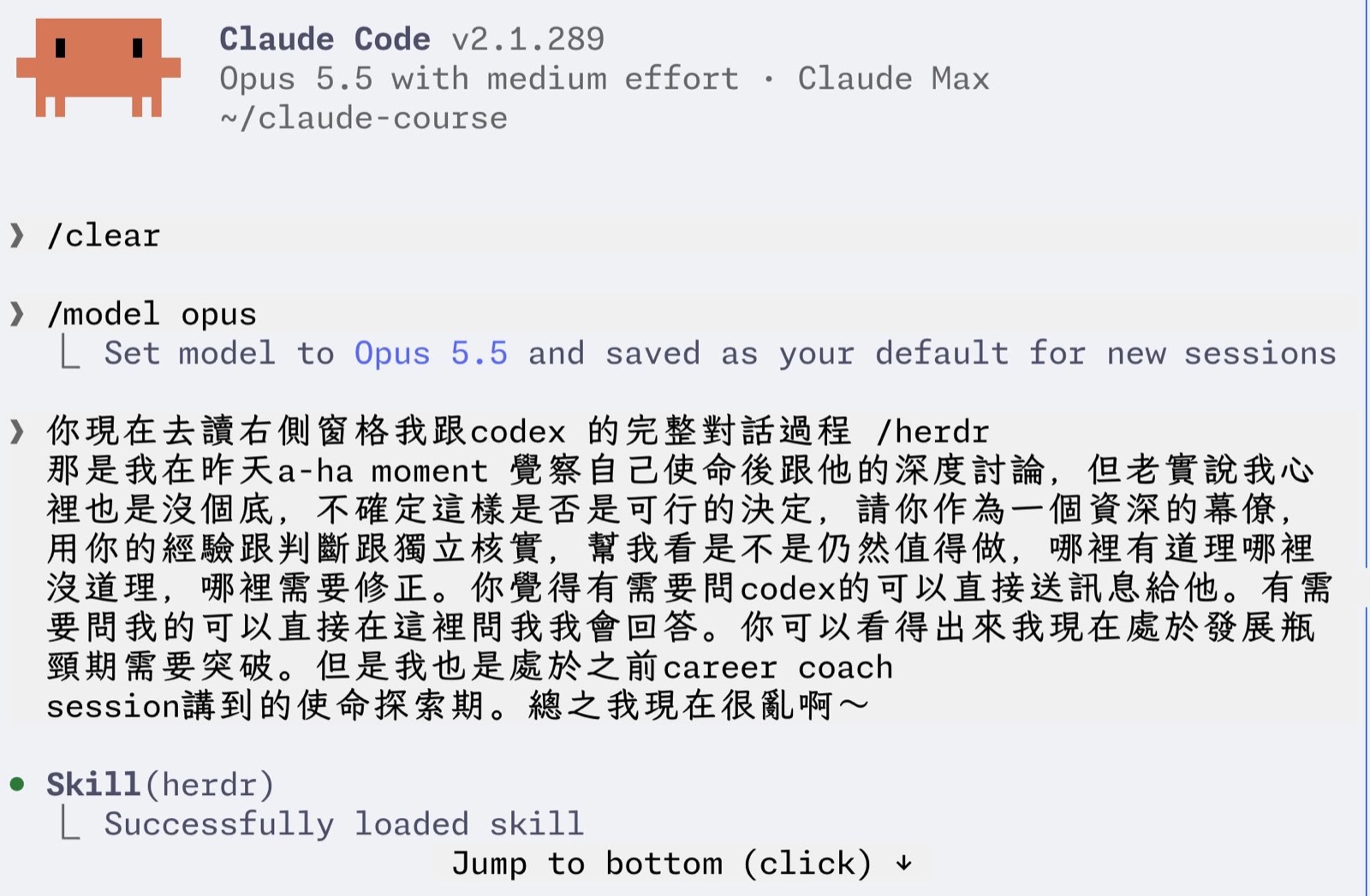
Opus 5.5 is gentle and opinionated, a senior advisor you can fully trust and talk deeply with. So I:
-
Open by telling it what’s on my mind. I said straight out that I was a mess, had no footing, and was stuck at a bottleneck.
-
Ask it to judge from its own experience, and to verify independently. I fully authorize it to look things up and check my data entry points on its own. If it needs to ask another AI, it asks directly; if it needs to ask me, it asks me.
-
Reply to every point it makes with a number, and ask it to organize its answers, because I’m afraid the conversation’s decision tree will spread too wide and I won’t be able to pull it back.
-
When it lacks information or I disagree, I add my domain knowledge and my reasons. With a strong model, context and candor are always what matter most. And for what I can’t judge, I just say I don’t know either, instead of forcing an answer.
-
Ask it to write the converged conclusions into a long-term plan document instead of leaving them in the conversation. The spec of this document is linked to hooks, so it won’t drift when I switch models later.
-
Finally, ask Fable to act as an outside consultant, pick out what we hadn’t thought of, and list the questions AI can’t judge and that are worth taking to a human expert.
I’ve written before about how I usually divide work among the three models and what each one’s personality is like, if you want to take a look: Opus Commands, Sonnet Builds, Fable Advises: Dividing Work Among Three Models
Full delegation is not total delegation
When I work with Opus 5.5, I’m not only thinking about my task. I also ask, “Given this model’s personality, how should I interact with it?”
The screenshot is a classic example. You explain your context and intent and hint at what directions it can explore, but you give it plenty of room for how to get there, no micromanaging.
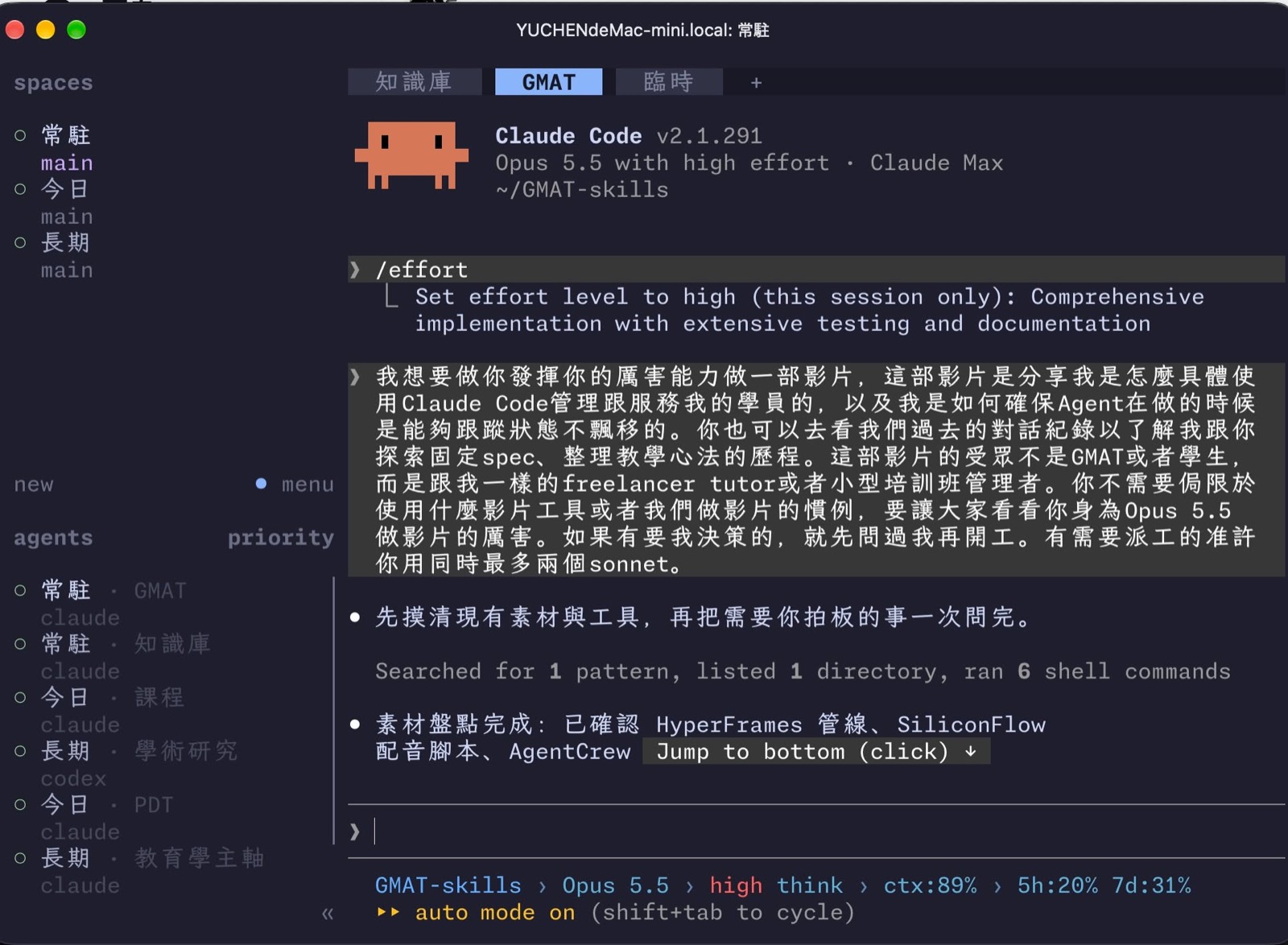
Of course, “full” delegation is not “total” delegation. Auto mode, hooks you can’t see, instructions inside the prompt to ask before making decisions, and the level and number of subagents are all necessary-but-not-excessive boundaries.
(One detail: I don’t set effort too low because I want it to have enough autonomy. If you want more back-and-forth discussion, you can set effort lower.)
Boris Cherny says it too: talk to it like a coworker
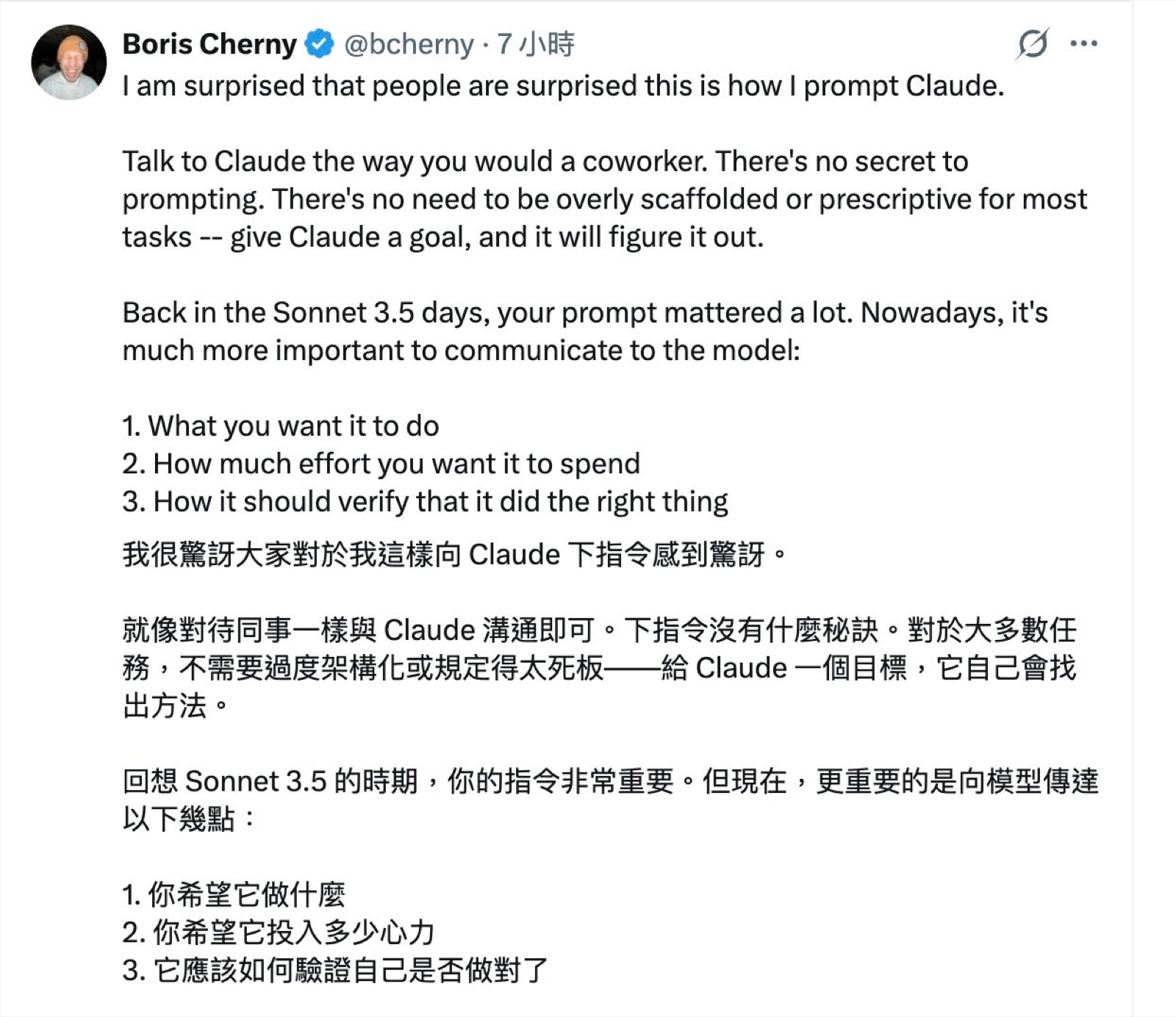
I’ve been stressing this before: “Treat the model like a coworker. There’s no secret to giving instructions. However you communicate with people, communicate with the model the same way.” And plenty of keyboard warriors still came at me for it. = =
Now the bald guy himself is speaking up. Convinced yet?
Plenty of people explain their problem to me just fine. Then I paste the exact same words into the AI in front of them, and they freeze: that works? Business owners can just use their normal everyday language.
Haiku 5.5: just put it in the dispatch rules
I’ve been reading Haiku 5.5’s official system card again. This time I got a quick read on its personality:
Haiku 5.5 is like a junior coworker who works crisply and follows the rules carefully, but is a bit reserved. Hand it a clear small task and it gets moving fast. When something is vague, sensitive, or outside its comfort zone, it tends to hit the brakes first and sometimes lectures you a bit. After a mistake it is less likely to spiral into self-blame, but you need to verify its results with concrete evidence.
It likes being given work in a friendly, clear way, and it wants to know what it did wrong. Picture someone who’s willing to help, doesn’t like the spotlight, and occasionally turns rule-following into bossiness.
So when managing it: give a clear scope, a definition of done, and a reporting format, and make the important trade-offs yourself.
But I probably don’t need to know any of this, because I never talk to it directly anyway, hahahahaha
Writing it into the dispatch rules so Opus 5.5 knows is more practical.
I’ve written separately about how Haiku 5.5 actually performed on my own dispatch tasks: Can Haiku 5.5 Take Over Sonnet’s Work? I Tested It on My Own Tasks. The official system card is here: anthropic.com/claude-haiku-5-5-system-card